IRIS Integrated Refugee & Immigrant Services: Programs, Support and How It Works

Who Is IRIS Integrated Refugee & Immigrant Services?
IRIS Integrated Refugee & Immigrant Services is a nonprofit organization based in Connecticut that supports refugees and immigrants as they rebuild their lives in the United States. The organization focuses on resettlement assistance, community integration, and long-term support for individuals and families adjusting to life in a new country.
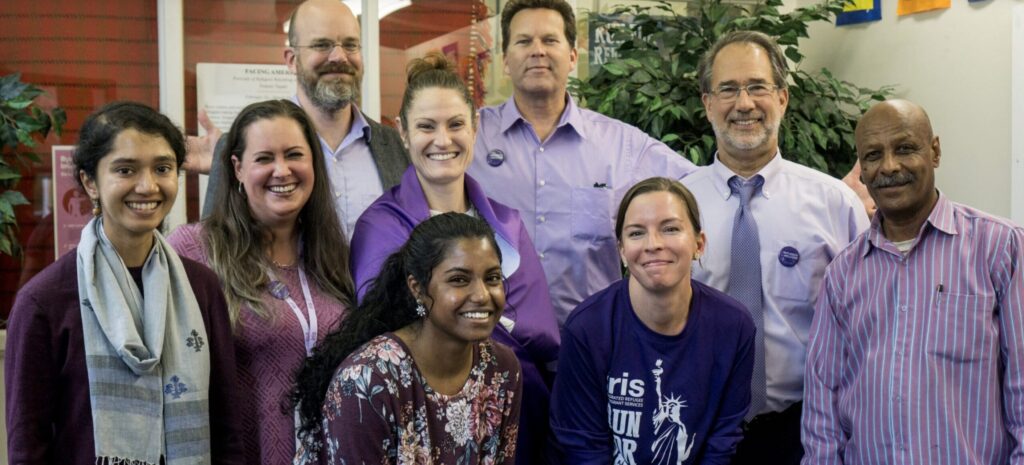
Headquartered in New Haven, IRIS works primarily with refugees who have been legally admitted to the United States, as well as other immigrants in need of integration support. Its programs are designed to help newcomers secure housing, find employment, learn English, and navigate essential systems such as healthcare and education.
IRIS operates as an independent nonprofit organization and collaborates with local communities, volunteers, and public agencies to provide structured assistance during the early stages of resettlement.
What Does IRIS Do?
IRIS Integrated Refugee & Immigrant Services focuses on helping refugees and certain immigrant populations transition into stable, independent lives in the United States. Its work begins at the point of arrival and continues through structured support programs designed to promote long-term self-sufficiency.
Refugee resettlement support
One of the core functions of IRIS is refugee resettlement. When refugees are admitted to the United States through the federal resettlement system, local nonprofit agencies such as IRIS are assigned to assist them during their initial transition period.
This support may include:
- Coordinating housing before arrival
- Meeting individuals and families at the airport
- Helping them enroll in essential services
- Providing guidance on local transportation, banking, and healthcare systems
The goal during this stage is to ensure that newly arrived refugees have immediate stability and access to basic necessities.
Employment and economic integration
A key focus of IRIS is helping clients become financially independent as quickly as possible. Employment services typically include:
- Job readiness workshops
- Resume preparation assistance
- Interview coaching
- Connections with local employers
For many refugee families, employment is a critical step toward long-term stability. IRIS programs are structured to encourage early workforce participation while also supporting English language development.
Community integration and support
Beyond housing and employment, IRIS works to promote broader community integration. This can involve:
- Cultural orientation sessions
- Volunteer mentorship programs
- Youth and family support services
- Referrals to additional nonprofit or public services
Integration is not limited to economic participation. It also includes social connection, educational access, and civic engagement.
IRIS functions as a bridge between newly arrived individuals and the broader Connecticut community, helping clients navigate unfamiliar systems while building independence.
Services Provided by IRIS
IRIS Integrated Refugee & Immigrant Services offers a range of structured programs designed to address the practical and social challenges faced by refugees and certain immigrant groups. While services may evolve over time, the organization typically focuses on core areas that support long-term stability and independence.
Housing assistance
Securing stable housing is often the first priority for newly arrived families. IRIS assists clients in identifying appropriate rental options and understanding lease agreements. This may include:
- Coordinating temporary or initial housing
- Helping families communicate with landlords
- Explaining tenant responsibilities
- Assisting with basic household setup
The goal is to ensure that clients begin their resettlement journey in safe and stable living conditions.
Employment services
Employment support remains one of the central components of IRIS programming. Services often include:
- Job placement assistance
- Connections to local employers
- Career pathway guidance
- Support with understanding workplace expectations
Some clients may also receive referrals for vocational training or certification programs, depending on their background and professional experience.
English language learning
Language proficiency plays a critical role in long-term integration. IRIS may offer or coordinate access to English as a Second Language (ESL) programs to help clients improve communication skills.
Language support can improve employment opportunities, educational outcomes, and overall community engagement.
Case management and navigation support
Each family or individual typically works with a case manager who helps coordinate services and address challenges. This may include:
- Assistance with healthcare enrollment
- School registration for children
- Access to public benefits when eligible
- Referrals to legal or social services
Case management is designed to guide clients through systems that may initially feel unfamiliar or complex.
Community and volunteer programs
IRIS often works with volunteers who assist with mentoring, tutoring, and community engagement activities. These programs help foster social connections and provide additional support networks during the early stages of resettlement.
The combination of housing, employment, education, and case management services reflects IRIS’s broader focus on long-term integration rather than short-term assistance alone.
Who Qualifies for IRIS Services?
IRIS Integrated Refugee & Immigrant Services primarily works with individuals who have been formally admitted to the United States through recognized humanitarian pathways. Eligibility is generally tied to immigration status rather than income alone.

Refugees admitted through the U.S. resettlement program
A large portion of IRIS clients are refugees who were approved for admission to the United States before arrival. These individuals have already gone through federal screening processes and are assigned to local resettlement agencies such as IRIS upon entry.
In these cases, support typically begins immediately after arrival.
Asylees and other humanitarian categories
In addition to refugees, some individuals granted asylum in the United States may also qualify for certain support services. Eligibility can depend on funding sources, program guidelines, and the length of time since status was granted.
Programs for asylees may differ slightly from initial refugee resettlement services, but the objective remains similar: stability, employment, and long-term independence.
Immigrants seeking integration support
While IRIS is best known for refugee resettlement, certain programs may also serve other immigrant populations, particularly those who face language barriers or integration challenges.
However, services are not typically open to all immigrants indiscriminately. Availability depends on program funding, geographic location, and specific eligibility requirements.
Geographic focus
IRIS operates primarily in Connecticut, with a strong presence in and around New Haven. Access to services is generally limited to individuals resettling in that region.
Those living outside Connecticut would typically need to contact a local resettlement agency serving their state.
Eligibility rules can change based on funding cycles and government policy adjustments. Individuals seeking assistance should verify current criteria directly through official IRIS channels to determine whether they qualify.
Where Is IRIS Located and How Can Services Be Accessed?
IRIS Integrated Refugee & Immigrant Services is based in New Haven, Connecticut. Its operations are centered in this region, and most services are delivered locally through partnerships with community organizations, employers, volunteers, and public agencies across the state.
Primary location
The organization’s main office is located in New Haven, where administrative coordination, case management, and community programs are organized. Clients who are assigned to IRIS through the federal refugee resettlement system are typically placed in Connecticut communities supported by the organization.
Because resettlement services are regionally structured in the United States, individuals outside Connecticut would normally be served by a different local agency in their state.
How individuals are connected to IRIS
For refugees arriving through official U.S. resettlement channels, placement with IRIS is typically coordinated before arrival. Individuals do not usually apply directly to IRIS for initial refugee resettlement; rather, federal authorities assign cases to local partner agencies.
For other programs, such as certain integration or community-based services, individuals may be able to inquire directly depending on eligibility and program availability.
Contacting IRIS
Those seeking information about services, volunteering, or community involvement can find up-to-date details through the organization’s official website. Because programs and eligibility criteria can change based on funding and policy adjustments, it is important to rely on current official information rather than third-party summaries.
When reaching out, individuals should be prepared to clarify their immigration status, location, and specific needs to determine whether services are available to them.
IRIS operates within a structured network of nonprofit and governmental partnerships, and access to services is generally tied to formal placement or defined program criteria.
Funding, Partnerships, and Organizational Structure
IRIS Integrated Refugee & Immigrant Services operates as a nonprofit organization. Like many refugee resettlement agencies in the United States, its work is supported through a combination of public funding, private donations, grants, and community partnerships.

Nonprofit status
IRIS functions as an independent nonprofit entity rather than a government agency. Although it collaborates with federal and state systems for refugee placement, it is not part of the government itself. This distinction is important because many people assume resettlement agencies are federal offices.
Nonprofit status allows IRIS to receive funding from multiple sources while maintaining operational independence in how programs are delivered locally.
Government funding and contracts
A portion of refugee resettlement work in the United States is funded through federal programs. When refugees are admitted to the country, local nonprofit agencies receive structured support funding to assist with early resettlement services.
This funding typically covers:
- Initial housing coordination
- Basic case management
- Early employment services
However, long-term integration efforts often require additional financial support beyond initial government allocations.
Community partnerships
IRIS works closely with:
- Local employers
- Educational institutions
- Volunteer groups
- Faith-based organizations
- Community service providers
These partnerships expand the support network available to refugees and immigrants during the integration process.
Volunteer involvement, in particular, plays a visible role in community-based assistance programs.
Private donations and grants
As a nonprofit organization, IRIS also relies on private contributions and grant funding to sustain its broader programming. Donations may support extended services such as youth mentoring, additional language instruction, or community development initiatives.
This diversified funding model is common among refugee resettlement agencies across the United States.
Understanding how IRIS is structured helps clarify its role: it operates within the broader U.S. refugee resettlement system but remains a locally administered nonprofit organization.
Frequently Asked Questions About IRIS Integrated Refugee & Immigrant Services
Is IRIS a government agency?
No. IRIS Integrated Refugee & Immigrant Services is a nonprofit organization. While it works within the federal refugee resettlement system and receives certain public funds, it is not a government agency. It operates independently at the local level in Connecticut.
Does IRIS provide free services?
Many initial resettlement services are provided at no cost to eligible clients because they are funded through structured resettlement programs. However, the availability and scope of services depend on funding guidelines and eligibility criteria.
Individuals should confirm current program details directly with IRIS.
Can undocumented immigrants apply for services?
IRIS primarily serves individuals who have been admitted through recognized humanitarian pathways, such as refugees and certain asylees. Services are generally tied to specific immigration statuses. Individuals without legal immigration status typically do not qualify for formal resettlement services.
How long does support from IRIS last?
Initial resettlement support is usually concentrated in the early months after arrival. However, some integration programs, employment support, or community services may extend beyond that initial period depending on available resources and eligibility.
Is IRIS only available in Connecticut?
Yes. IRIS operates primarily in Connecticut, with a strong focus on the New Haven area and surrounding communities. Refugees and immigrants in other states would normally work with different local resettlement agencies assigned to their region.
To conclude
IRIS Integrated Refugee & Immigrant Services plays a defined role within the U.S. refugee resettlement framework. As a Connecticut-based nonprofit organization, it assists newly arrived refugees and certain immigrant populations with housing, employment, language support, and community integration.
Its work is structured, eligibility-based, and regionally focused. Individuals seeking assistance should rely on official sources for the most accurate and current information regarding services and program availability.